Connectivity · Tunnel

A VPN code, not a VPN account.

Prepaid access codes for 12 or 24 months. Redeem the code, switch the tunnel on, and there's no stored card, no auto-renewal and no account profile accumulating history alongside your traffic.

Honest framing

A VPN moves trust. It doesn't erase it.

The most common VPN claim on the internet is "anonymous". It isn't true from us or from anyone else — so here's what the tunnel actually does.

With the tunnel on, your internet provider — and the café, hotel or airport network you're borrowing — sees an encrypted stream to one endpoint instead of a readable list of everything you visit. The sites on the other end see the VPN's address instead of your home connection. That's genuinely valuable, especially on networks you don't control. But notice what happened: the VPN operator now occupies the position your provider used to hold. You've relocated trust, not abolished it. Choose the operator accordingly, and don't believe anyone who skips that sentence.

The code model trims the account layer the same way our eSIMs trim the carrier counter. The term is paid upfront, redemption is a code rather than a personal profile, and there's nothing to auto-renew or chase. On an APG hardened Pixel the VPN arrives installed and configured — redeeming the code is the only step between unboxing and a live tunnel. Load the same credentials on a Mudi V2 router and everything behind it is covered too.

"Pick who you trust on purpose — that's the whole game."
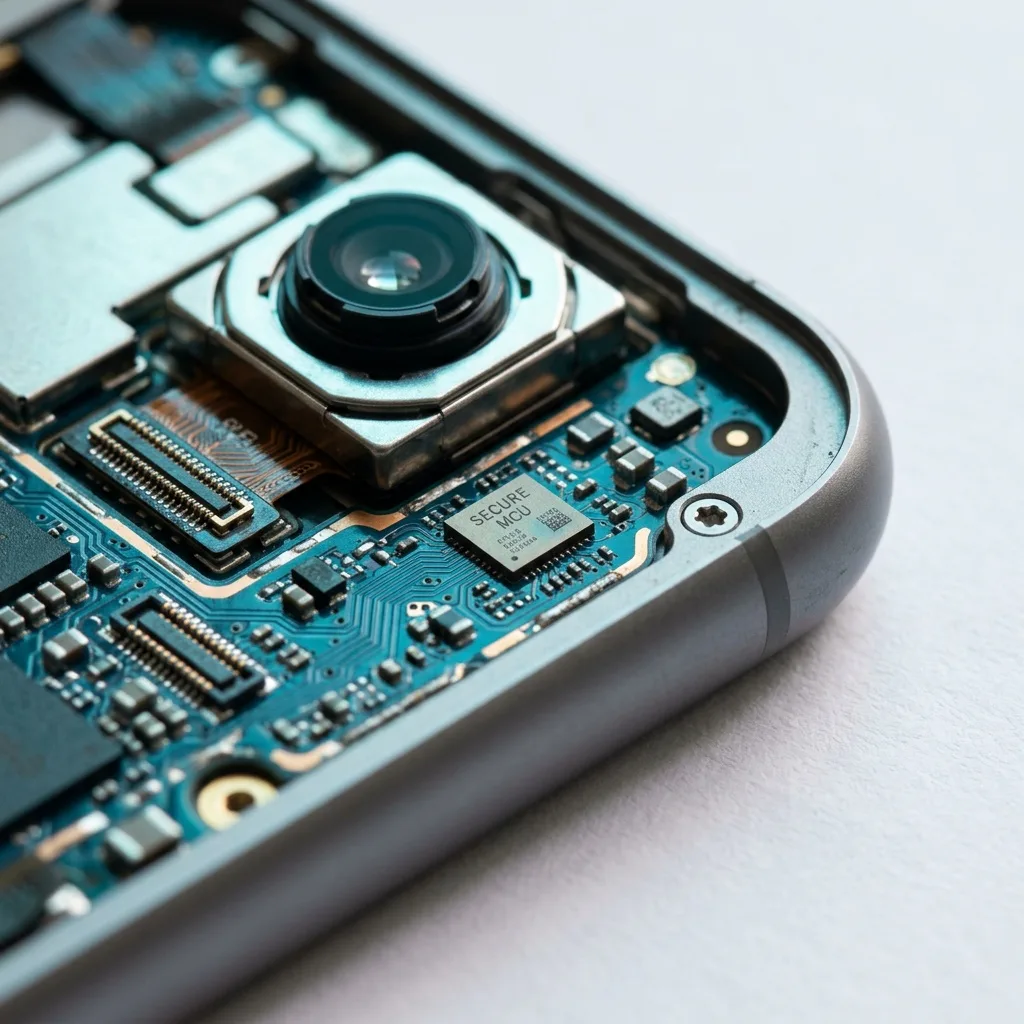
Internal circuit board and camera module of a phone, detail photograph
CIRCUIT · DETAIL
The Codes

Two terms. One quiet checkout.

Both codes are delivered by email with written redemption steps. Pay once, redeem once, and the term runs without a subscription in the background.

VPN Code — 12 Months

A full year of tunnel, paid upfront. The right term if you're pairing it with a new phone and want to reassess in a year.

A$99
Order →

VPN Code — 24 Months

Two years in one purchase — the better rate, and one fewer renewal to think about between now and 2028.

A$169
Order →
Questions

Asked before every order.

Does a VPN make me anonymous?

No. A VPN moves trust — it doesn't erase it. Your internet provider stops seeing where your traffic goes, and the sites you visit stop seeing your home connection; in exchange, the VPN operator sits in that position instead. That trade is worth making, especially on networks you don't control, but it's a relocation of trust, not anonymity — and we won't dress it up as more.

How is the code delivered and redeemed?

By email, with written redemption steps. You enter the code in the VPN app or configuration rather than signing up with a personal profile, and the full term is paid upfront — no stored payment method, no auto-renewal. On an APG phone the VPN is already installed, so redeeming the code is the only step left.

Can I use it with the Mudi V2 router?

Yes — that's one of the better ways to use it. Load the credentials on the Mudi V2 and every device behind the router rides the same tunnel: laptops, tablets, the lot, without configuring each one.

The foundation

The tunnel protects traffic. The phone decides what's in it.

A VPN on a phone that leaks telemetry is encrypting the leak. Start with a hardened GrapheneOS Pixel — de-Googled, configured, verifiable via our verification guide — and the code slots into a stack that's already quiet.

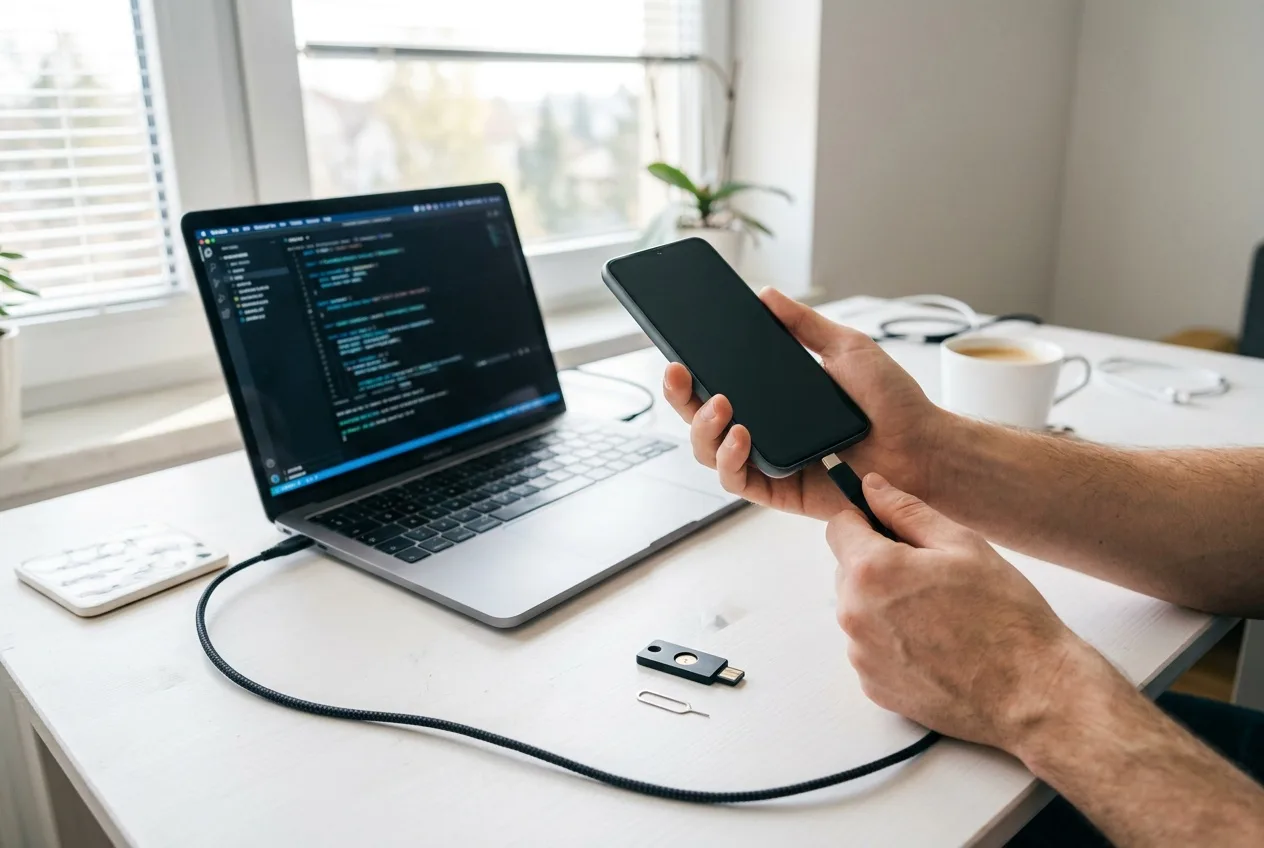
A laptop running a code editor beside a phone and a hardware security key, daylight photograph
WORKBENCH · DETAIL

Independent retailer. Not affiliated with or endorsed by GrapheneOS. ABN 64 694 381 592. Shopping worldwide? globalprivacy.tel →